
Burner clicks but will not light
Most often a wet or fouled igniter, a misaligned burner cap, or a worn spark electrode/module. Clean and reseat the cap first; persistent clicking usually means the ignition components need service.
Troubleshooting
Diagnose common Wolf range, oven and cooktop faults: burner won't light, oven off temperature, convection and control errors. Owner-safe checks plus when to call a pro.
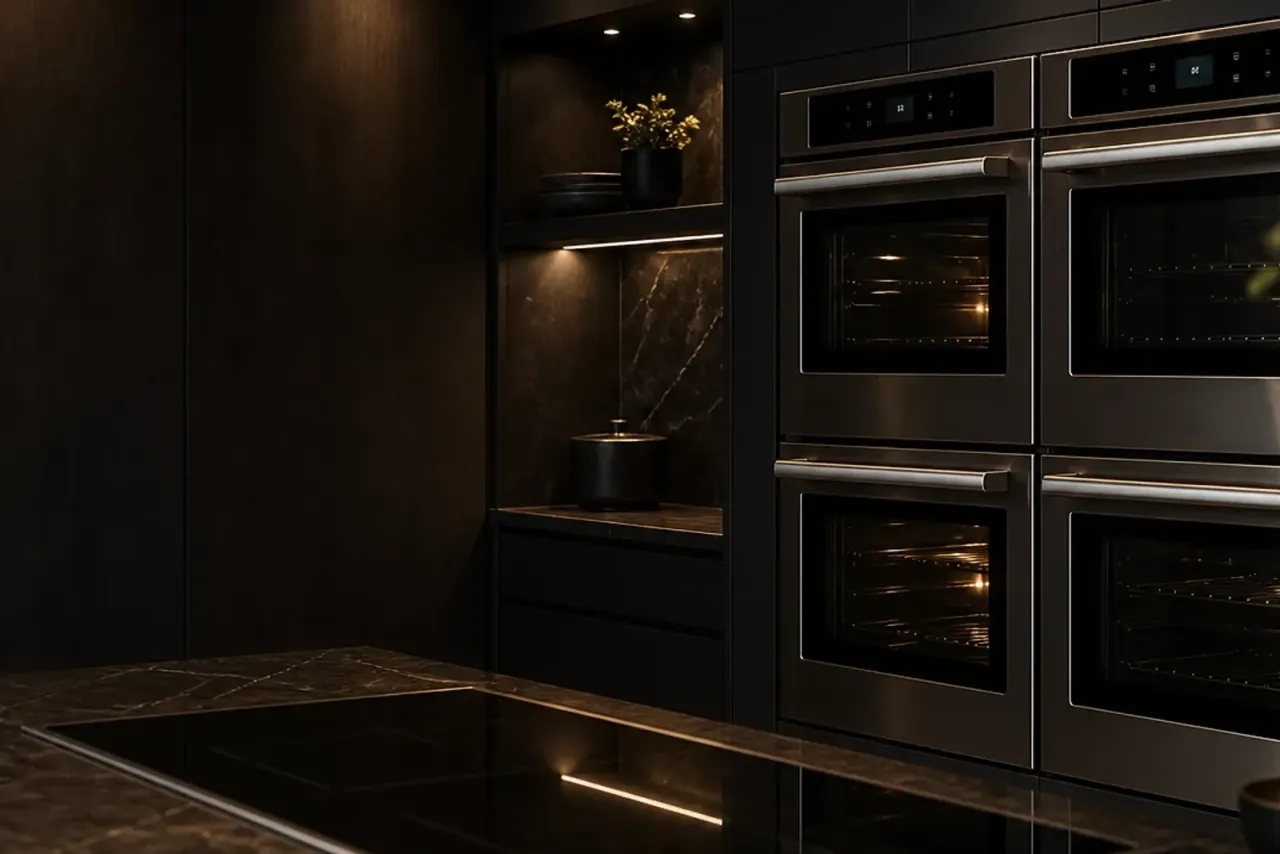
Wolf cooking appliances are built around dual-stacked sealed burners, dual convection ovens, and precise electronic controls, so most problems trace back to a specific, identifiable part rather than a vague fault. This guide walks through the symptoms we see most often on Wolf ranges, rangetops, cooktops, and wall ovens, what usually causes each one, and which checks you can safely do yourself before calling a technician.
We are an independent repair company that has specialized in Wolf and other high-end appliances since 2005, serving the San Francisco Bay Area from Los Gatos. The goal here is to help you understand what is actually happening with your appliance. Some checks are genuinely owner-safe; anything involving gas valves, internal wiring, or the control board should be left to a qualified technician.
Before assuming the worst, run through the basics. For a dual-fuel or electric range, confirm the unit has power and that the household breaker for the appliance has not tripped, since dual-fuel models typically run on a 240V circuit. For gas models, make sure the gas supply valve is open and that other gas appliances in the home are working. If the control panel is unresponsive or behaving strangely, a power cycle often clears a transient fault: switch off the breaker for about a minute, then restore it.
Clean, well-seated burner caps matter more than people expect. If a burner is clicking but not lighting, let the cooktop cool completely, then check that the burner cap sits flat and that the slots are free of food debris and standing water. A dry cotton swab can clear a clogged igniter port. These steps are safe with the gas off. What is not owner-safe is adjusting the gas valve, orifice, or pressure, or opening the control housing; those require a qualified technician.
A burner that clicks continuously but will not light is most often a fouled or wet igniter, a misaligned burner cap, or a worn spark electrode or spark module. After confirming the cap is clean and seated, if the clicking continues or no spark is produced, the ignition components likely need testing and replacement. A burner that lights but produces a weak yellow flame or a poor simmer usually points to a clogged orifice, incorrect gas pressure, or a burner that needs proper tuning, all of which are technician tasks because they involve the gas system.
On induction Wolf cooktops, a zone that fails to heat or shuts off may indicate cookware that is not induction-compatible, an overheated cooling fan path, or a fault in the coil, sensor, or power board. Try compatible cookware and ensure the ventilation underneath is unobstructed before concluding the unit needs service.
If a Wolf oven will not reach temperature, heats slowly, or runs hot or cold, the usual suspects are a failed bake or broil element on electric and dual-fuel models, a weak igniter on gas ovens, or a drifting temperature sensor. A reliable owner test is to bake at a set temperature with a separate oven thermometer placed on the center rack; a consistent offset suggests a calibration or sensor issue, while wildly swinging temperatures suggest a heating element or control fault. Uneven baking and hot spots typically point to a failing convection fan motor or its control. Element replacement, sensor testing, and convection motor work involve internal wiring and are best handled by a technician who can verify the repair against a reference.
Wolf electronic controls report faults that generally point to a sensor, a relay, or the control board itself. If a power cycle does not clear a display error, note exactly what is shown and what the appliance does or fails to do, then have it diagnosed rather than guessing at parts. Call a qualified, EPA-aware technician for anything involving the sealed gas system, gas pressure or orifice adjustment, internal wiring, the control board, or persistent error codes. For an appliance of this caliber, an accurate diagnosis protects both your safety and your investment. You can reach our team at (650) 668-1554.
Common Wolf symptoms
Most often a wet or fouled igniter, a misaligned burner cap, or a worn spark electrode/module. Clean and reseat the cap first; persistent clicking usually means the ignition components need service.
Typically a clogged burner orifice, incorrect gas pressure, or a burner that needs tuning. These are gas-system adjustments that require a qualified technician.
Commonly a failed bake/broil element, a weak oven igniter on gas models, or a drifting temperature sensor. Verify with a separate oven thermometer before service.
Usually a failing convection fan motor or its control circuit interrupting even airflow. Component testing and replacement should be done by a technician.
Often non-compatible cookware or blocked ventilation, but can be a coil, sensor, or power-board fault. Try induction-rated cookware and clear airflow first.
Frequently a transient glitch cleared by a power cycle; if it returns it points to a sensor, relay, or control board needing diagnosis.
Check the dedicated breaker (dual-fuel models use 240V) and the gas supply for gas models. If power and gas are confirmed present, internal wiring or the control needs a technician.
FAQ
You can confirm the problem with a separate oven thermometer, but accurate correction usually involves the temperature sensor and control system. A consistent offset often points to calibration or a sensor; we test against a reference and correct it so the oven holds the set point.
Continued clicking after ignition is commonly caused by moisture or food debris around the igniter or a misaligned burner cap. Let it cool, clean the area, and reseat the cap. If it persists, the spark electrode or module likely needs service.
Owner-safe steps include cleaning burner caps, clearing igniter ports, and power-cycling the unit. Anything involving the gas valve, orifice, pressure, internal wiring, or control board should be left to a qualified technician for safety.
A separate thermometer helps: a steady offset suggests a sensor or calibration issue, while no heat or erratic swings point toward a heating element or control fault. A technician can confirm with proper testing before any part is replaced.
Subzero Repair · Open 24/7 · 365-day warranty
Call for urgent cooling or cooking failures, or book online for a service window across the Bay Area.