
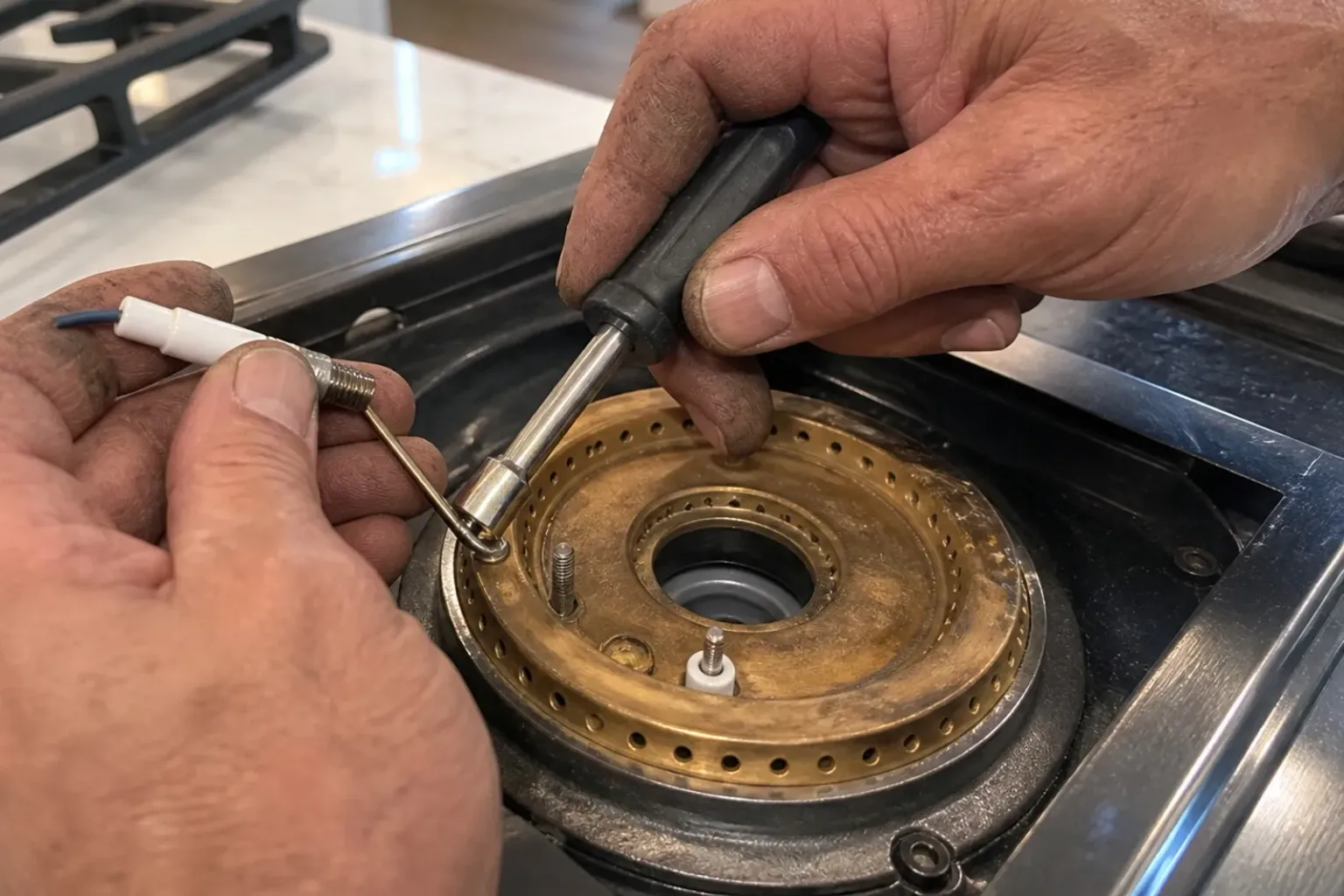
Repair guide
Freezer Not Freezing: Causes, Owner-Safe Checks, and When to Call a Pro
Why your freezer isn't cold enough: dirty coils, blocked vents, door seals, frost buildup, or a sealed-system fault. Owner-safe checks and when to call a pro.

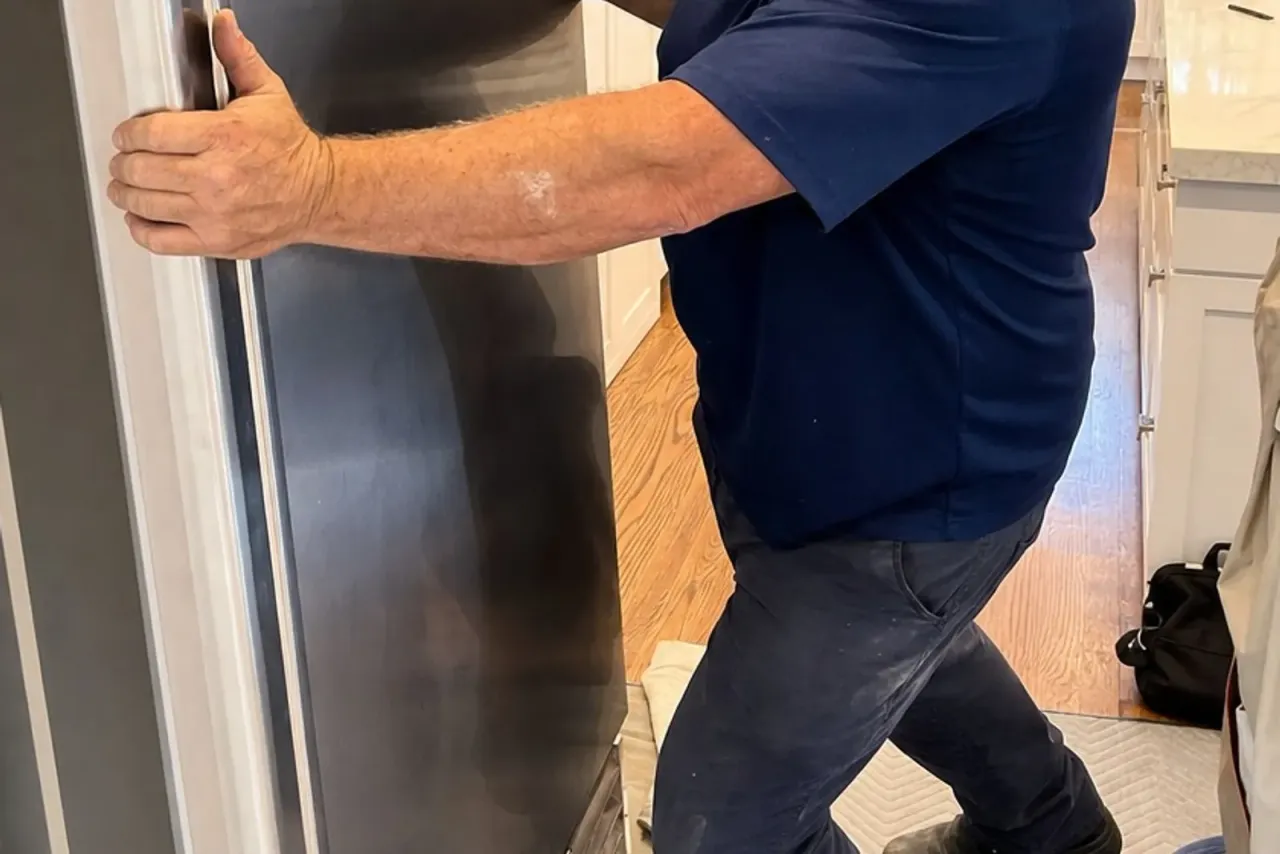
A freezer that won't get cold enough usually traces to restricted airflow or a cooling fault: dirty condenser coils, blocked vents, a worn door gasket, a frost-clogged evaporator from a defrost problem, or a sealed-system issue like low refrigerant. Several causes have owner-safe fixes, including cleaning the coils, clearing packed food away from vents, checking the door seal, confirming the temperature setting, and giving the unit room to breathe. Compressor, refrigerant, and sealed-system repairs require an EPA-certified technician.
Start by gauging how cold it actually is. A freezer that's slightly warm but still partly frozen points to airflow, coils, or a door seal. A freezer that's clearly failing while the fridge section still cools (on single-compressor models) often points to a defrost or fan problem. And a section that won't cool at all despite the compressor running can indicate a sealed-system fault. Matching severity to cause keeps you from chasing the wrong fix.
Owner-safe checks to do first
Begin with the basics. Confirm the temperature is set correctly (around 0 degrees F for a freezer) and that a recent setting change, vacation mode, or a power interruption didn't reset it. Make sure the door closes fully and seals; test the gasket by closing the door on a slip of paper, which should drag when pulled. A failing seal lets warm, humid air in and frost build up.
Next, clean the condenser coils, the most common cause of weak cooling, and make sure the unit has airflow clearance around it. Inside, don't pack food tightly against the rear or vents, since that blocks the cold-air circulation the freezer depends on. These steps resolve a large share of "not cold enough" complaints with no parts.
Frost buildup and defrost problems
If you see heavy frost or ice coating the back inside wall or the evaporator area, the automatic defrost system may have failed. Frost-free freezers periodically melt frost off the evaporator coils; when the defrost heater, thermostat, or timer/control fails, ice accumulates, blocks airflow, and the freezer gradually warms even while the compressor runs.
As an owner-safe diagnostic, you can fully empty and turn off the unit to let it defrost completely for 24 hours, then restore power; if it cools well at first and slowly warms again over days, a defrost component is the likely cause. Replacing the defrost heater, thermostat, or control is a technician repair involving internal wiring and testing.
Fans, sensors, and controls
Freezers rely on an evaporator fan to push cold air and a condenser fan to cool the compressor. If the evaporator fan fails, the coils get cold but the air doesn't circulate, so the freezer warms. You might notice the freezer is colder near the coils but warm elsewhere, or hear an unusual fan noise or silence. Fan motor replacement is professional work.
A faulty temperature sensor or control board can also misread conditions and run the system too little. These faults overlap with others, which is why a technician tests fans, sensors, and the control circuit with a meter rather than swapping parts. If your coils are clean, the door seals, and frost isn't the issue, fans and controls are the next things to check.
Sealed-system faults need a certified pro
If the freezer won't cool despite clean coils, a good seal, clear vents, and a running compressor, the sealed refrigeration system may be at fault, most often low refrigerant from a leak, or a compressor that's no longer pumping effectively. Refrigerant (freon/R134a) handling, leak repair, compressor work, and recharging require an EPA-certified technician under U.S. EPA Section 608 law.
These repairs need recovery and charging equipment, leak detection, and precise refrigerant charging; they cannot be done DIY. On premium built-in units, sealed-system service is well worth doing because the units are designed for decades of use. As specialists in Sub-Zero and high-end refrigeration since 2005, we diagnose and repair sealed-system faults safely and correctly.
Step by step
- Check the setting and door seal. Confirm the freezer is set near 0 degrees F and not in vacation mode. Test the gasket by closing the door on a slip of paper; if it pulls out without drag, the seal needs attention.
- Clean the condenser coils. Vacuum and brush the condenser coils, the most common cause of weak cooling, and make sure the unit has airflow clearance around it. Do this with the unit off.
- Clear internal vents. Rearrange food so it isn't packed against the rear wall or air vents, which blocks the cold-air circulation the freezer relies on to stay cold.
- Test for a defrost problem. If you see heavy frost on the back wall, empty and power off the unit for 24 hours to defrost fully, then restore power. If it cools well then slowly warms over days, a defrost component is likely failing.
- Call a certified pro if it still won't freeze. If coils are clean, the seal is good, vents are clear, and frost isn't the issue, have a technician test the fans, sensors, and sealed system. Refrigerant and compressor work require EPA certification.
FAQ
Questions & answers
Why is my freezer not freezing but the fridge is still cold?
On single-compressor units, the fridge and freezer share cooling, so a freezer-specific warm-up often means a defrost failure, a blocked evaporator from frost, or a failed evaporator fan, all of which choke airflow to the freezer. Check for heavy frost on the back wall and clean the coils; if those don't help, have the fan and defrost system tested.
Why is there frost building up in my freezer?
Some frost is normal, but heavy ice on the back wall usually means the automatic defrost system has failed, the heater, thermostat, or control isn't melting frost off the coils, so ice blocks airflow and the freezer warms. A worn door gasket letting in humid air also causes frost. Defrost repairs require a technician.
Can low refrigerant cause a freezer not to freeze?
Yes. A refrigerant leak leaves too little refrigerant to cool properly, so the freezer won't reach temperature even with the compressor running. Refrigerant handling, leak repair, and recharging require an EPA-certified technician under federal law and cannot be done DIY. Rule out coils, seals, vents, and frost first, then have the sealed system diagnosed.
Subzero Repair · Open 24/7 · 365-day warranty
Rather leave it to a specialist?
Call for urgent cooling or cooking failures, or book online for a service window across the Bay Area.